
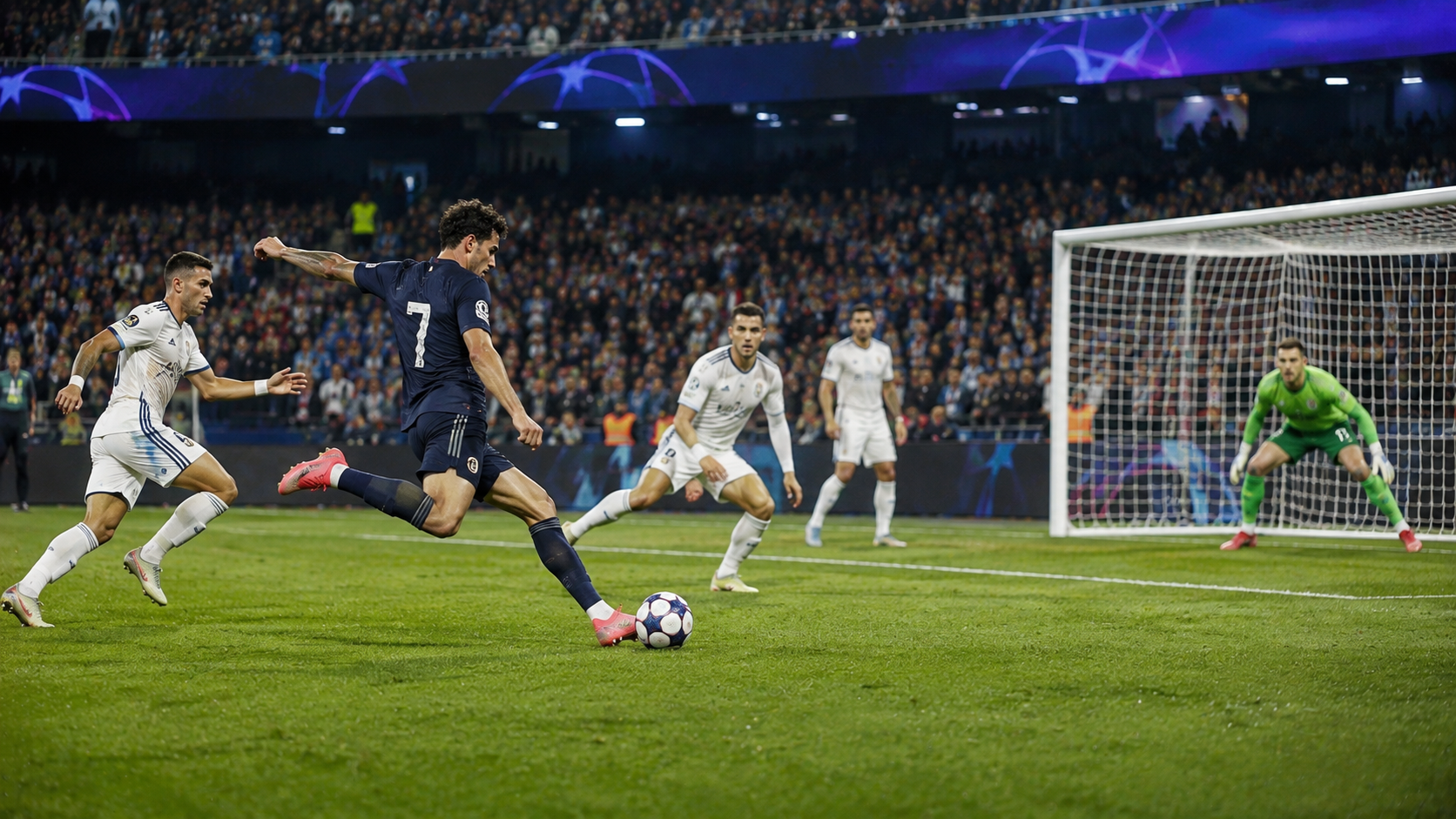
European club football has a remarkable ability to turn an ordinary evening into a lasting sporting memory. A late winner can transform a season, an unexpected comeback can become part of a club’s identity, and a single tactical decision can influence the outcome of a major competition. Yet the full significance of these moments is not always clear when watching a match for the first time. Exploring European club football replays allows supporters to return to important contests, examine their defining episodes and rediscover the stories behind memorable European nights.
The period between 2014 and 2019 was particularly rich in dramatic club football. Established powers defended their reputations, ambitious teams challenged traditional hierarchies and several competitions produced results that seemed almost impossible before kick-off. From tense knockout encounters to finals decided by individual brilliance, these seasons demonstrated how quickly momentum can change at the highest level.
The Unique Drama of European Competition
Domestic leagues provide continuity, but European tournaments create a different kind of pressure. Clubs face opponents with unfamiliar styles, different football traditions and varying approaches to controlling a match. A team accustomed to dominating possession at home may suddenly have to defend deep against an opponent that presses aggressively.
This variety gives European competitions much of their appeal. Every round introduces new tactical questions, and the consequences of mistakes can be significant. In a two-legged tie, a single goal may influence the strategy for the return match. A team that falls behind must decide whether to increase attacking pressure or remain patient. Coaches must balance ambition with the risk of conceding another goal.
The knockout format also gives individual moments unusual importance. A goalkeeper’s save, a defender’s intervention or a perfectly timed substitution can determine whether a club continues its European journey. Rewatching these matches makes it easier to understand how such moments emerged from the wider pattern of play.
The Champions League and Its Unpredictable Nights
The UEFA Champions League has long represented the highest level of European club competition. It brings together teams with different histories and resources, creating a stage where established champions meet ambitious challengers.
Between 2014 and 2019, the tournament produced several defining stories. Real Madrid’s sustained success demonstrated the value of experience and composure in decisive matches. Barcelona continued to showcase technical quality and attacking combinations, while Bayern Munich, Juventus, Liverpool and other major clubs pursued their own European ambitions.
One of the most memorable qualities of the competition during this period was its capacity for dramatic reversals. Teams that appeared close to elimination sometimes produced extraordinary performances in the second leg. These comebacks were not simply the result of emotion. They often involved changes in pressing intensity, improved movement between attacking lines and a willingness to take calculated risks.
A replay allows viewers to follow the transformation. The first goal may create belief, but the subsequent tactical adjustments often determine whether a comeback becomes possible. The reaction of the opposing team is equally important: a side that begins to lose control may retreat too far, struggle to retain possession or become vulnerable to repeated attacks.
Tactical Battles That Decide Major Ties
European football offers an unusually rich environment for studying tactical differences. Clubs from different countries often bring distinct footballing traditions into the same competition, although modern coaching has made these styles increasingly flexible.
Some teams prefer patient possession, using midfield combinations to draw opponents out of position. Others build their approach around quick transitions, direct passing and aggressive movement into open spaces. High pressing can force errors near the opposition penalty area, while a compact defensive block may frustrate technically superior opponents.
The most interesting matches often involve a contest between these approaches. A possession-oriented side might control the ball for long periods but struggle to penetrate a narrow defensive formation. Its opponent may have fewer attacking opportunities but create danger whenever it wins possession and moves forward quickly.
Full-match viewing reveals how these tactical patterns change over time. A team may begin with a high defensive line before adjusting after repeated counterattacks. A coach might move a winger closer to the centre or introduce a second striker to challenge the opposition’s defenders. These decisions can be more revealing than the final goal itself.
Historic Clubs and the Weight of Expectation
European competitions are closely connected to the histories of their most successful clubs. Teams such as Real Madrid, Barcelona, Bayern Munich, Liverpool, Manchester United, Juventus and AC Milan have built international reputations through generations of players and memorable campaigns.
For these institutions, European success carries expectations that extend beyond a single season. Supporters remember previous finals, famous victories and painful eliminations. Each new campaign becomes another chapter in a much longer story.
The pressure associated with this history can influence performances. Experienced players may remain composed during difficult periods because they understand the demands of knockout football. Younger members of the squad must learn to manage the same expectations while developing their own reputations.
Rewatching major European matches can highlight how experience affects decision-making. Some players recognise when to slow the game down, retain possession and reduce the opponent’s momentum. Others respond to pressure with direct attacking runs or attempts to change the rhythm through individual skill.
The Rise of New Challengers
European football between 2014 and 2019 was not shaped exclusively by traditional giants. Several clubs demonstrated that careful planning, strong coaching and an identifiable playing philosophy could challenge established hierarchies.
Teams with fewer financial resources sometimes reached advanced stages of major tournaments by developing coherent systems and making effective use of their players. Their success often depended on collective organisation rather than individual reputation.
These campaigns were particularly interesting because they exposed the weaknesses of more celebrated opponents. A club expected to dominate might find itself unable to break through a disciplined defence. An ambitious challenger could exploit spaces left by attacking full-backs or use quick transitions to create unexpected opportunities.
Such matches also reveal the importance of squad balance. A successful European campaign requires more than a strong starting eleven. Injuries, suspensions and fixture congestion can force coaches to rely on substitutes and younger players. The ability to maintain performance levels across several competitions is often what separates a promising run from a sustained challenge.
Individual Brilliance and Collective Achievement
European nights are frequently remembered through individual performances. A forward’s decisive finish, a midfielder’s control of the tempo or a goalkeeper’s series of outstanding saves can define the public memory of a match.
However, individual brilliance rarely exists independently of the team. A striker may receive attention for scoring, but the goal could depend on a midfielder’s movement, a defender’s accurate long pass and a teammate’s intelligent run that creates space.
The same is true of defensive achievements. A goalkeeper who makes several important saves benefits from the organisation in front of him, while defenders depend on midfielders to close passing lanes and prevent opponents from attacking freely.
Watching a match again helps reveal these connections. It becomes possible to follow the players who contribute without touching the ball and to understand how coordinated movement creates opportunities. This perspective gives a more complete appreciation of the balance between personal talent and collective work.
Finals, Comebacks and Moments That Become History
A European final is different from almost every other fixture. The occasion brings together months of preparation, expectations and pressure. Players know that one performance may define their careers, while supporters understand that the result could remain part of club history for decades.
The matches from 2014 to 2019 offered several memorable examples of how finals can be decided by small details. Early goals changed tactical plans, defensive mistakes created opportunities and substitutions sometimes altered the rhythm at crucial moments.
Comebacks are equally important to the mythology of European football. Their appeal comes from the contrast between expectation and possibility. When a team appears to have lost control of a tie, every successful attack can change the emotional atmosphere. The opponent must respond not only to the tactical challenge but also to the growing confidence of the side attempting to recover.
Revisiting these games allows supporters to experience the full development of the drama. Instead of remembering only the winning goal, they can see the pressure that preceded it, the decisions that made it possible and the reactions that followed.
Why Rewatching Complete Matches Matters
Short highlights provide an accessible way to remember important incidents, but they remove much of the context that makes football interesting. A collection of goals cannot fully explain how a team controlled the midfield, why a defensive line began to struggle or how a coach changed the direction of a match.
Complete matches offer a broader perspective. They show how teams manage possession, respond to pressure and adapt when the original plan stops working. They also reveal the importance of periods that may appear uneventful but are essential to the final result.
For supporters, rewatching a classic encounter can bring back the atmosphere of a particular season. For those interested in tactics, it offers an opportunity to study positioning, pressing and transitions. For younger fans, historic matches provide a way to discover the players and teams that influenced modern European football.
There is also value in revisiting games whose outcomes are already known. Without the uncertainty of the result, viewers can concentrate on details that were easy to miss during the original broadcast.
A Lasting Record of European Football
The years between 2014 and 2019 produced a remarkable collection of European club football stories. Traditional powers confirmed their status, emerging challengers created new possibilities and individual players delivered performances that remain part of the sport’s shared memory.
These matches continue to matter because football history is not made only by trophies. It is also shaped by tactical innovations, unexpected victories, emotional rivalries and the development of players who influence the next generation.
Returning to complete European encounters provides an opportunity to understand how those stories unfolded. Every replay offers another perspective on the decisions, performances and turning points that shaped the competition.
The appeal of European club football lies in its combination of tradition and uncertainty. Famous names may enter the tournament with established reputations, but every match presents a new challenge. That is why the most memorable nights remain worth revisiting: their significance becomes even clearer when the entire story is seen again.